


With the support of a Charles Plater Trust grant, Women’s Aid Luton has implemented a trauma-informed approach that places the voices of survivors at the heart of its design. From therapeutic workshops to digital skills development, this document outlines the successes, challenges, and transformative personal journeys—such as Leyla’s—that have emerged from this project. We invite you to read the full summary below to explore the key learning points and the project's ongoing commitment to removing barriers for survivors.
************
Learnings from Charles Plater Grant, Women’s Aid Luton
With the support of the Charles Plater Trust, Women’s Aid Luton has been able to develop and expand our specialist education and training programme for women survivors of domestic abuse. The programme was designed to support women to develop practical coping strategies, build confidence, resilience and self-esteem, implement safety strategies for themselves and their children, and gain life skills to support independent living, personal development and future employment. Central to the programme’s design was the principle that activities should be shaped by women living in refuge, ensuring that support remained relevant, responsive and trauma-informed.
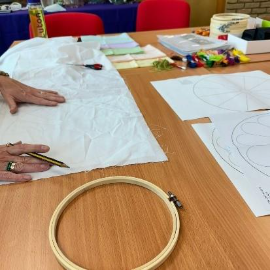
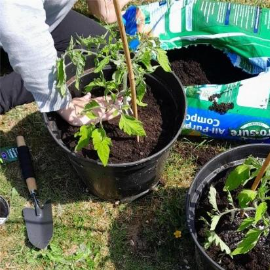
The programme offered a varied range of activities, including creative writing, creative workshops, ceramics, cooking and sewing classes, employability sessions, IT and digital skills development, and therapeutic sessions such as “Growing Stronger Together” workshops and sound bath and meditation. These activities supported women at different stages of recovery, offering opportunities to rebuild confidence, develop practical skills, and engage positively with learning in a safe and supportive environment.
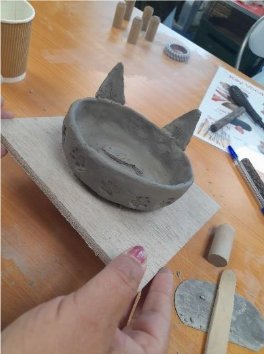
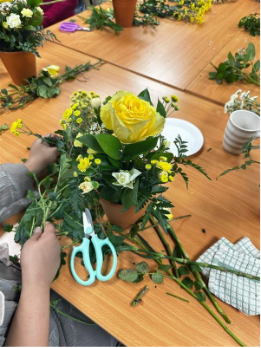
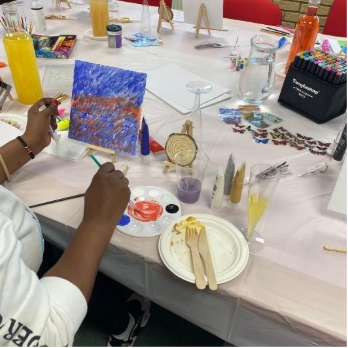
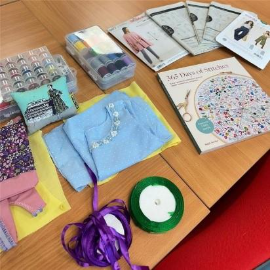
Through delivery of the programme, several key learning points emerged. Most significantly, we found that many women are not immediately ready to move into employment due to the impact of complex trauma and high levels of ongoing support needs. As a result, we focused our efforts on therapeutic and confidence-building activities as a necessary foundation for longer-term employability. We also identified a range of participation barriers, including trauma responses, anxiety, language barriers and complex personal circumstances. The presence of trusted staff was critical in encouraging engagement and enabling women to feel safe enough to participate. Practical barriers also played a significant role: travel costs frequently prevented attendance, highlighting the importance of consistently budgeting for transport support. Timing was another key factor, as many women attend ESOL classes in the mornings; afternoon sessions proved more accessible and better attended.
Childcare remains a significant barrier, particularly due to attachment anxiety and limited resources. Our learning has emphasised the importance of working closely with partner agencies to explore childcare solutions. We also plan to recruit a Children’s Officer in the new year to reduce barriers for women with children and ensure equitable access to activities.
Leyla’s journey illustrates the impact of this approach. Leyla was trafficked to the UK with forged documents to be married to a much older man, and experienced abuse from the outset. With limited English, no access to formal education, and very low confidence and resilience, she required intensive support. Over the past six months, Leyla has flourished, participating in every activity offered. Her confidence, skills and English have improved significantly. She now attends ESOL alongside English and maths basic skills classes and has requested to join the IT course running in the new year. Women’s Aid Luton is supporting Leyla to pursue her ambition of becoming a dentist, and her progress reflects the transformative potential of this project.

